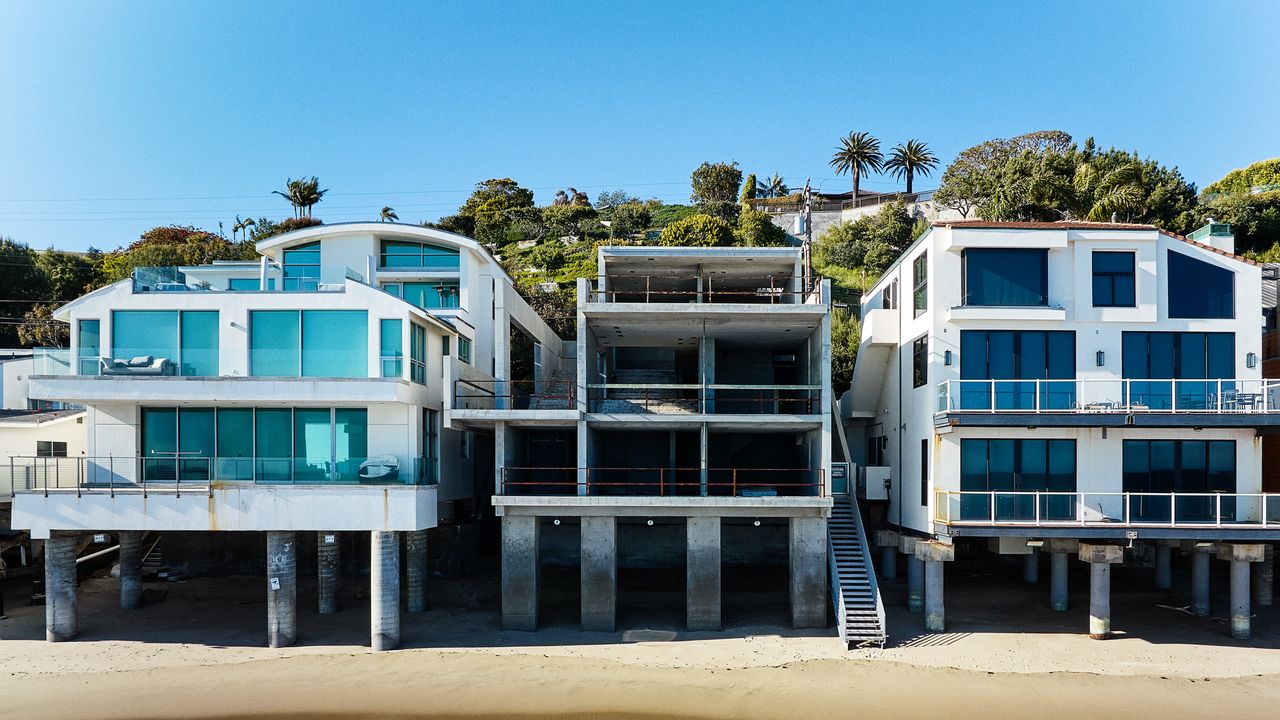
From Architectural Icon to Concrete Shell: The Kanye West Malibu House Gutting Lawsuit
The world of celebrity real estate often provides glimpses into extravagant lifestyles, but few sagas capture attention quite like the ongoing legal battle surrounding Kanye West's Malibu beach house. What began as an ambitious renovation project for a property originally designed by the revered Japanese architect Tadao Ando, has spiraled into a civil lawsuit, alleging unpaid wages, worker injuries, and a near-total demolition that left the architectural masterpiece a mere concrete shell. This dramatic transformation, often referred to in headlines as the "kanye house gutting," has raised eyebrows in both the architecture world and the legal arena.
At the heart of the dispute is Tony Saxon, a worker initially hired to oversee aspects of the remodel. Saxon claims he is owed over $1 million in unpaid wages and expenses, alleging he was an employee who suffered multiple injuries, including a broken neck, while working on the project. West's legal team, however, paints a different picture, arguing that Saxon was an independent, unlicensed contractor who misrepresented his qualifications and voluntarily quit after being paid $240,000. The contrasting narratives are currently being aired in an LA Superior Court civil trial, shedding light on the complexities and high stakes of celebrity construction projects.
Tadao Ando's Vision Demythified: The Malibu Masterpiece's Deconstruction
The Malibu residence in question was no ordinary beach house; it was a distinctive creation by Tadao Ando, a Pritzker Prize-winning architect celebrated for his minimalist concrete designs that emphasize light, space, and a deep connection to nature. Ando's work is globally recognized for its profound architectural significance, making any significant alteration to one of his structures a subject of intense scrutiny and often, criticism.
According to the lawsuit filed by Saxon in 2023, the renovation undertaken by West quickly escalated from a remodel to a "near-total gutting" of the oceanfront property. Testimonies reveal that the drastic changes involved the removal of nearly every interior component: all fixtures, windows, internal finishes, plumbing systems, and electrical wiring were stripped away. Even amenities like a jacuzzi and multiple fireplaces were reportedly dismantled. This extensive deconstruction left the architecturally significant building largely reduced to its fundamental concrete structure, earning it the infamous description of a "concrete shell." The sheer scale of the demolition drew immediate and widespread criticism from architectural observers and preservationists, who lamented the loss of an iconic design.
The "No Toilets" Mandate: Kanye's Alleged "Off-the-Grid" Ambitions
Perhaps the most startling and widely reported allegation to emerge from the court proceedings is Kanye West's alleged directive to remove all plumbing fixtures, specifically toilets, from the residence. A former project manager, quoted by *Rolling Stone*, reportedly testified, “He wanted no toilets. If people had to go Number 2, it was a hole in the ground.” This claim quickly became a focal point of public discussion, adding a surreal layer to an already unconventional renovation.
These alleged instructions were presented as part of West's broader vision to transform the Malibu home into an "off-the-grid shelter." While the concept of sustainable or self-sufficient living often involves innovative waste management solutions, the alleged implementation of "holes in the ground" for bodily functions has been met with incredulity and concern for basic sanitation standards. This particular detail underscores the unique and sometimes extreme demands that can arise in high-profile construction projects. The revelations regarding the plumbing removal and the push for an "off-the-grid" setup have become a central element in understanding the scope of the
Kanye West's Malibu Trial: The "No Toilets" Claim Revealed.
The Legal Battle Unpacked: Allegations of Negligence and Unpaid Dues
The civil trial currently underway in Los Angeles Superior Court pits Tony Saxon's claims against Kanye West's defense. Saxon's lawsuit contends he is owed approximately $1 million in unpaid wages and expenses for his seven weeks of work on the project. Beyond financial compensation, Saxon also alleges severe injuries sustained on the job, including a broken neck, and is seeking over $1 million in damages. His legal team has further asserted that Saxon was required to live at the property during construction and was asked to perform work without proper permits, potentially exposing him and the project to significant legal and safety risks.
Conversely, West's attorney, Andrew Cherkasky, has vehemently disputed these allegations. Cherkasky's defense centers on the argument that Saxon misrepresented himself as a licensed contractor, despite being unlicensed. He asserts that Saxon was an independent contractor, not an employee, which would alter the nature of West's legal responsibilities regarding wages, benefits, and workplace safety. The legal definition of Saxon's employment status—whether employee or independent contractor—is a crucial factor that will likely influence the trial's outcome, determining the extent of West's liability. The complexities surrounding worker classification and injury claims are a critical aspect of the broader
Kanye West Sued for $1M Over Malibu Home Demolition & Contractor Injuries lawsuit.
Lessons from the Kanye House Gutting: Practical Tips for Homeowners and Contractors
The high-profile
kanye house gutting lawsuit offers valuable insights and cautionary tales for anyone involved in construction and renovation projects, regardless of their scale or budget.
For Homeowners Embarking on Renovations:
- Verify Contractor Credentials: Always ensure your contractor is properly licensed, bonded, and insured. Request proof and verify their status with state licensing boards. An unlicensed contractor can expose you to significant liabilities.
- Clear Contracts are Crucial: Establish a detailed written contract outlining the scope of work, timelines, payment schedules, and change order procedures. Ambiguity can lead to disputes and cost overruns.
- Understand Permit Requirements: Familiarize yourself with local building codes and permit requirements. Unpermitted work can lead to fines, stop-work orders, and difficulties with resale or insurance claims.
- Communicate Clearly: Maintain open and documented communication with your contractor. Ensure all significant changes or decisions are put in writing to avoid misunderstandings.
- Budget for Contingencies: Unexpected issues often arise during renovations. Allocate an additional 10-20% of your budget for unforeseen circumstances.
For Contractors and Workers:
- Secure Written Agreements: Always work under a clear, written contract that defines your role, scope of work, payment terms, and any specific expectations (e.g., living on-site).
- Ensure Proper Licensing and Insurance: Operating without the necessary licenses or insurance leaves you vulnerable to legal action and financial ruin, especially in the event of injury.
- Document Everything: Keep meticulous records of all communications, work performed, hours logged, expenses, and any changes to the project scope. Photographic and video evidence can be invaluable.
- Prioritize Safety: Adhere to all safety regulations and ensure a safe working environment. Document safety briefings and equipment inspections. If conditions are unsafe, address them immediately and in writing.
- Understand Employee vs. Independent Contractor Status: Be clear on your employment classification as it affects taxes, benefits, and legal protections. If working as an independent contractor, understand the specific responsibilities and risks involved.
Conclusion: The Unfolding Saga of Architecture, Ambition, and Allegations
The civil trial surrounding Kanye West's Malibu property is more than just a celebrity legal battle; it's a poignant case study on the intersection of ambitious architectural visions, the realities of construction management, and the legal complexities that can arise when communication breaks down. The transformation of a Tadao Ando masterpiece into a controversial "concrete shell," complete with allegations of "no toilets" and severe worker injuries, will undoubtedly leave a lasting impression. As the trial unfolds, it serves as a stark reminder of the critical importance of clear contracts, proper permitting, and transparent communication for all parties involved in any building project, regardless of its grandeur or the celebrity status of its owner. The ultimate verdict will not only determine financial liabilities but also send a clear message about accountability in the high-stakes world of luxury renovations.